Forum Advice On Kenya Safari
A dedicated Kenya forum with top tips for first-time Kenya safari-goers. Read up-to-date, relevant travel information direct from the experts – get All Kenya Safaris essential travel tips for a Kenya holiday before you go.
Before you even get to Kenya, you need to plan for a successful African safari. You need to know how Kenya’s regions, seasons, and how types of safaris work together, including what to wear, vaccinations for Kenya safari, required entry documents, medications you need to bring with you, advice on Kenya safari with kids, the things you should not bring along on a Kenya safari, staying safe during your holiday in Kenya and everything in between.
Planning a safari in Kenya is both exciting and a little scary. There are many ways to see the huge landscapes and amazing wildlife. The choices you make at the beginning can affect the rest of the trip. Planning ahead makes a big difference, from picking a place to stay to knowing how time works in the bush. In this Kenya travel forum, we help answer your most curious questions to allow you plan a Kenyan trip with confidence, clarity, and excitement, drawing on years of experience as a Kenya safari specialist.
No time to browse? Get in touch with our Kenya safari specialist to plan a tailor-made tour around your interests, wishes and budget.


Things You Should Expect on A Kenya Safari
Game Drives In Kenya
First safari in Kenya? This is exactly what to expect. First things first, most days out on safari begin with a quiet wake-up call from the birds before sunrise. Afterwards, dressing quickly, and having a cup of coffee or tea before you head out for a few hours in a safari vehicle with your driver guide in search for wildlife – the morning hours on safari are usually rewarding – watch as the wildlife slowly emerge from the night.
Finishing your morning drive, you’ll return to the lodge or camp mid- to late morning for a proper sit-down breakfast with a few hours of relaxation, followed by hot lunch. During this afternoon hours, the day becomes hot that even animals retreat into the shade. At this time, we’ll have our afternoon tea, often happening around 3:00pm or 3:30pm, then we will drive back inside the park for another game viewing drive until after dark.
As a tradition, just before sunset, you’ll stop for another safari activity called the ‘Sundowner’ – a safari sundowner is a 1-hour African safari activity where you watch the sunset while sipping the drink of your choice alongside some tasty snacks, made by your expert chef. This activity takes place immediately after finishing your evening game drive inside the park. Later, your guide will drive you back to the camp in time to freshen up, then it’s dinner and off to bed, before it all starts all over again, each and every morning.
Safari Accommodation In Kenya
This is where things get interesting – it is like this, the higher your Kenya safari prices, the better level of accommodation you can expect. For travellers visiting Kenya on budget will usually spend their safari days at the lower end, campsites which are basic, sometimes crowded and not always in the best locations within the national parks or reserves leaving you with no good time for game viewing, but they often have hotel facilities such as showers and toilets.
Kenya Lodges are the best for anyone on a Kenya safari. Their scene and the quality vary considerably from lodge to lodge. Many lodges within the national parks and game reserves parks have excellent locations providing you with the best ever experience while on safari.
About Kenya tented camps – this includes the mobile camps, you’ll sleep in large, zipped entrance walk-in tents – they’re like lodge rooms in terms of size but with canvas for walls and floor. Sleeping inside Canvas tents on safari mean that you can hear the sounds of the wildlife at night. The tents are well positioned and safe to sleep in during your safari days.
Inside most Kenya lodge rooms and tented camps, you will find very comfortable beds, sometimes a side desk and usually a private bathroom and shower. In tented camps, you’ll most likely need to recharge your devices from time to time because the main source of electricity are generators which are often turned on and off during specific times.
What Is the Best Way to Experience a Kenya Safari?
Apart from the usual wildlife viewing in a customized open safari vehicle, a safari in Kenya can take place on foot, on horseback, by bicycle, by boat, on a quad bike or on a Helicopter safari. For the keen nature lovers and photographers can set off with specialized guides who combine knowledge of wildlife and photography, meaning you will explore on a Kenya photographic safari or a Kenya birding tour. Those looking for a more active adventure can run with Maasai warriors or hike up some of Africa’s highest mountain slopes found in Kenya.
The Best Way to Pack for A Kenya Safari
Packing the right way for a safari means only bringing the things you really need for safari; you can keep your luggage light and make sure you are comfortable the whole time. Pack clothes that are simple and useful during your Kenyan trip. Neutral clothe colours work best, and you need to wear light layers because the weather changes from a cool early morning to a warm afternoon. Important items to bring for a Kenya safari include:
Lightweight trousers and long-sleeved shirts to defend against bugs and the sun.
A warm fleece or jacket for early morning game drives.
Closed shoes that are comfortable and good for wandering around camp.
A hat with a wide brim and decent sunglasses.
Sunscreen with a high SPF and a small can of insect repellant.
A camera with ample memory cards to capture every moment.
Please remember that most regional airlines have strict baggage weight policies of around 15kgs per person, inclusive of hand luggage. Soft-sided bags are usually required for internal flights, as bush planes have small baggage compartments.
Reccommended Kenya Tour Packages
4 Days Masai Mara Private Safari
Discover the big five wildlife in style with our exclusive …
9 Days Luxury Kenya Safari
Join us on this luxury safari, visiting some of the most epic wildlife locations…
5 Days Private Kenya Safari
Discover Kenya’s iconic destinations in this epic adventure…
6 Days Kenya Safari Tour
An unchartered wilderness journey on a 4×4 in Kenya’s intimate…
Keep Reading
Best Time to Visit Kenya for Safaris
Top 10 Best Places to Visit In Kenya
Best Kenya Beaches
All About Kenya Safaris FAQ’s
The best months for visiting Kenya and the best time for wildlife safaris are during the Dry season from June to December, and January to March when it’s not too hot, rainfall is low and vegetation is thinner – making it easier to view wildlife.
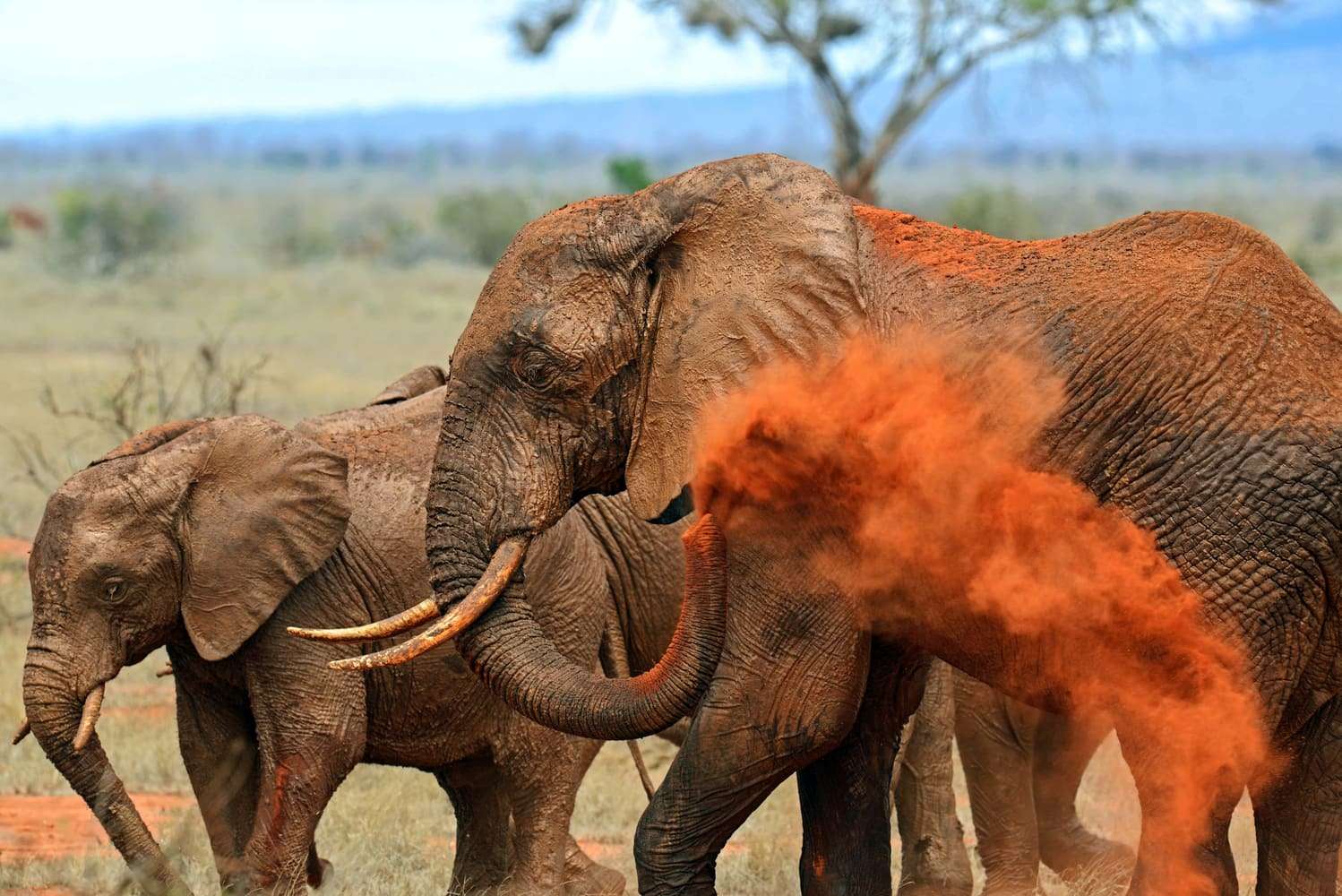
Kenya is a top choice when it comes to wildlife safaris. Most travelers come for the migration safaris which is excellent in Kenya all year-round, with the Masai Mara National Reserve best known for hosting the great migration between July or August and October. Kenya is also one of the best places in Africa to see big cats. White rhinos are easily seen at Lake Nakuru and Nairobi National Parks, and elephants very common in many parks, especially Amboseli National Park. Lakes Bogoria and Nakuru, and the lakes of Amboseli, attract flamingos and a collection of birdlife species. Apart from the Masai Mara, there’s, Meru, Tsavo East and Tsavo West National Parks and Samburu National Reserve – where excellent wildlife viewing is almost guaranteed.
A Kenya safari costs US$200 per person per day up to US$1,000 per person per day for luxury Kenya safaris. This price also depends on other add on safari factors, and on what sort of safari you want and can afford. Kenya air safaris can be expensive, but practically reduces the amount of time you’ll spend on the road. Other safari package inclusions include the transport, accommodation, all meals and safari activities including game viewing drives.
A well planned full-day Kenya safari starts with a quiet morning game viewing drive looking for wildlife, followed with a cup of coffee or tea at the bush – this time is ideal for viewing wildlife.
Afterwards, you’ll return to the lodge or camp mid- to late morning for a proper sit-down breakfast. Enjoy a few hours of relaxation at your lodge, followed by lunch, then a few hours more enjoying the camp amenities. Go for an afternoon tea, happening around 3 PM or 3:30 PM, then it’s back into the wilderness park looking for wildlife until after dark.
One last activity, just before sunset you’ll stop for another safari ‘Sundowner’, where you’ll watch as the sunsets while sipping the drink of your choice. Now head back to the camp in time for dinner and off to bed – repeats daily for your remaining safari days.
Kenya is a safe safari destination to visit thanks to its tourist industry which is very established and visitors are very well looked after. While Kenya is a safe destination compared to some surrounding African countries, there are issues with crime in big cities such as Nairobi and Mombasa, but most issues can be avoided by following basic safety precautions. In addition, several governments have advised against traveling to remote Kenyan border zones. You should stay clear of political demonstrations. Keep in mind, more than a million tourists visit Kenya each and every year, and the majority of safari visits are trouble-free. Before you travel make sure to check with your government’s embassy regarding the latest foreign travel advice.